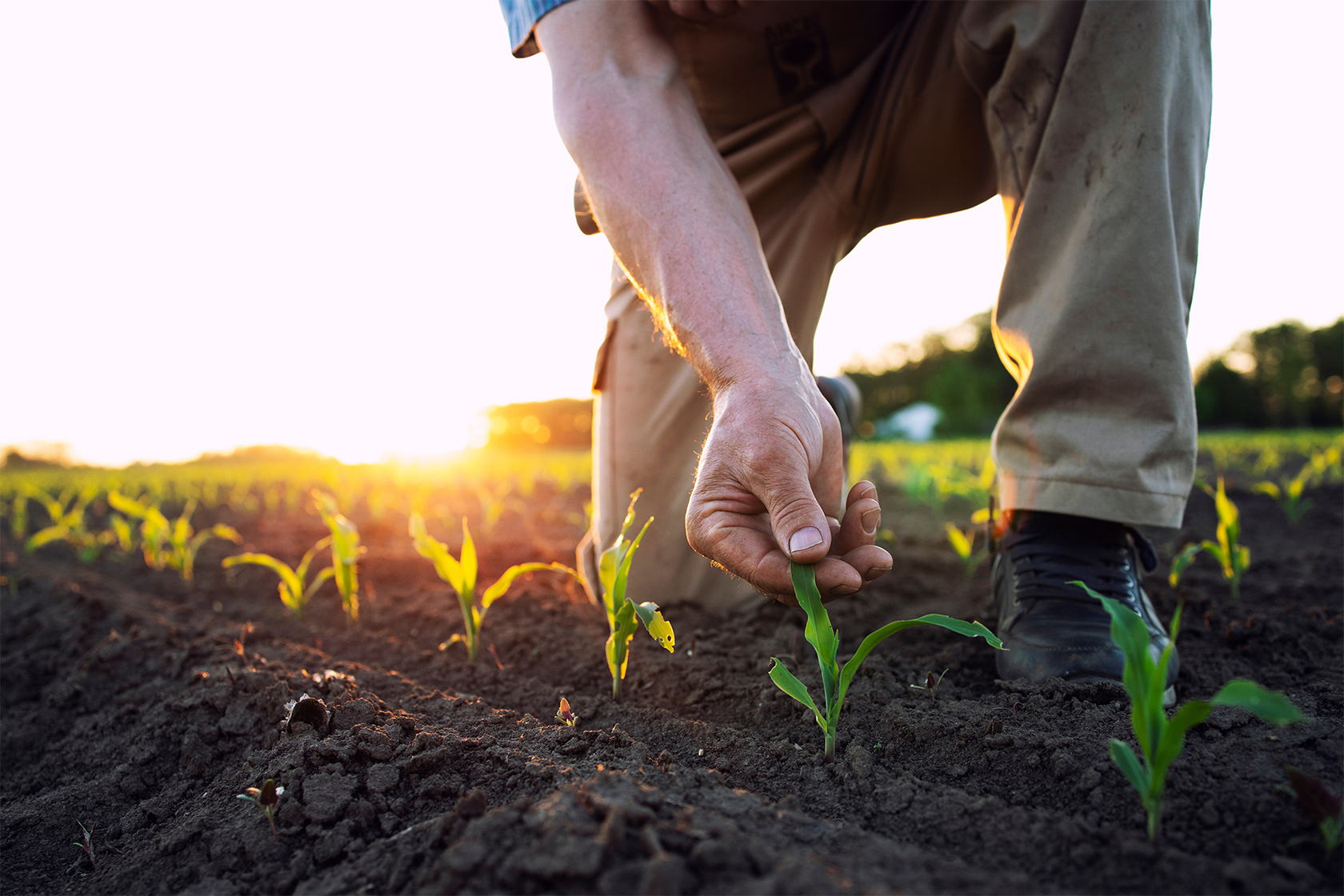
Regenerative agriculture is a holistic approach to farming and ranching that emphasizes restoring soil health, enhancing ecosystems, and fostering community well-being. Unlike conventional industrial agriculture, which often depletes natural resources, regenerative practices aim to build resilience in both the land and the communities that depend on it.
Regenerative farming involves integrating livestock with crops to naturally cycle nutrients and improve soil fertility, reducing the need for chemical inputs. Prioritizing soil health like no-till farming and cover cropping help maintain soil structure and microbial life, which are crucial for water retention and carbon sequestration. By minimizing the use of herbicides, pesticides, and chemical fertilizers, regenerative agriculture lowers the risk of pollution and supports biodiversity.
Regenerative agriculture contributes to climate resilience by sequestering carbon in the soil, reducing greenhouse gas emissions, and enhancing the land’s ability to absorb water, thereby mitigating the impacts of floods and droughts. By embracing regenerative agriculture, we can create a more sustainable, equitable, and resilient food system that benefits both people and the planet.