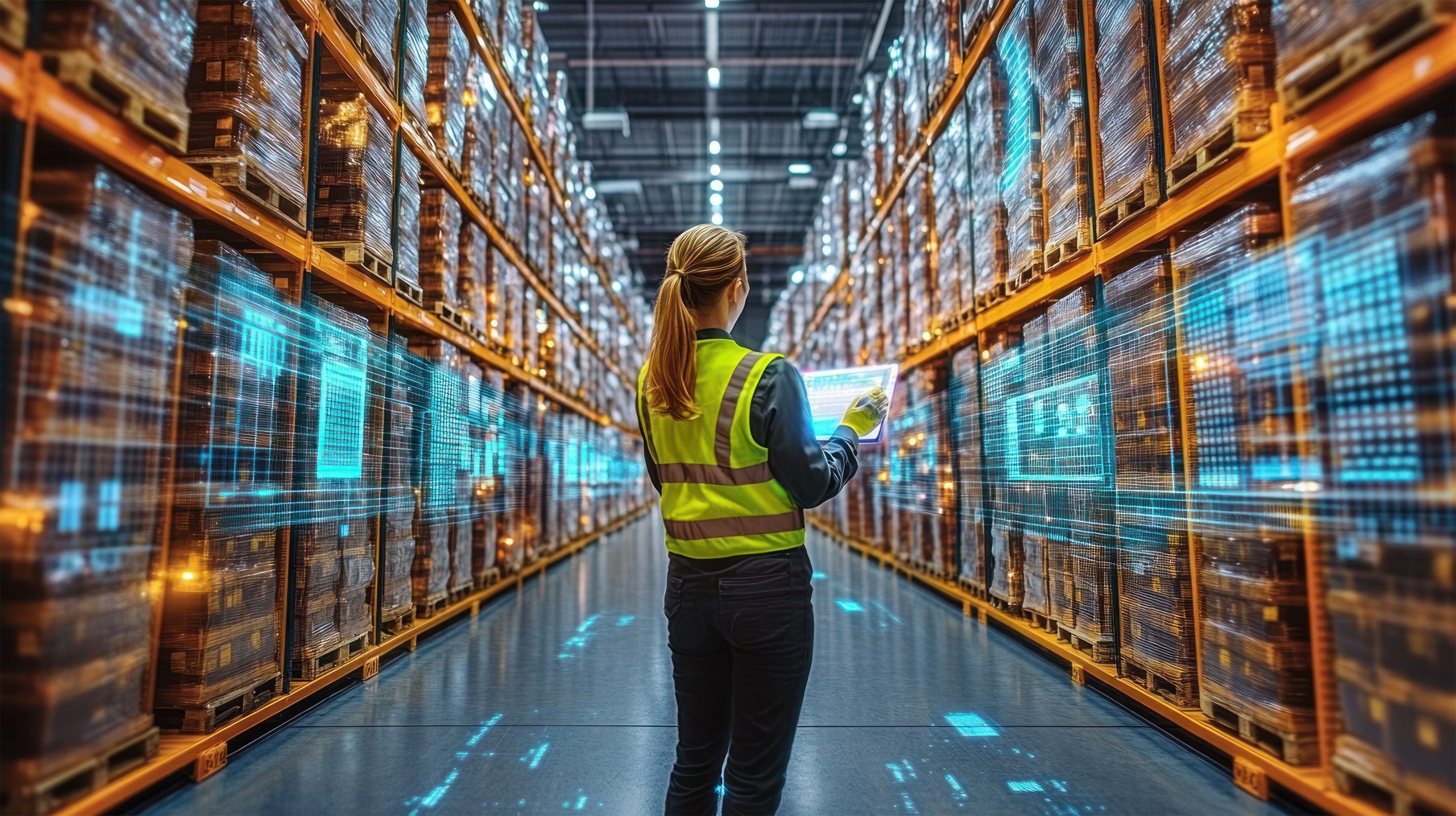
Artificial intelligence is already starting to transform food distribution in significant ways, and its impact is expected to grow over the coming years.
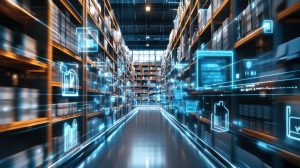
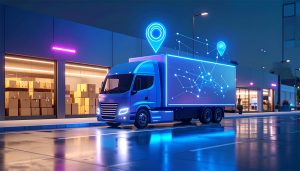
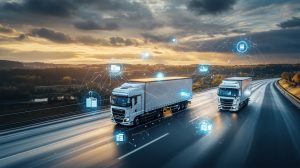
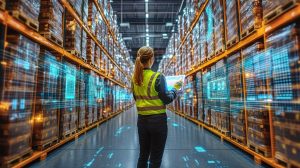
AI can help streamline the food distribution supply chain by analyzing historical sales, weather, events, and market trends to predict demand accurately, reducing waste and stockouts. AI-powered logistics platforms calculate the most efficient delivery routes to reduce fuel consumption, costs, and delivery times. Machine learning models can monitor inventory levels in real-time and automate reordering to ensure the right amount of food is always in stock.
Robotics and vision systems can handle food items more efficiently than humans, ensuring freshness and minimizing damage. Sensors combined with AI can detect small anomalies in storage conditions and trigger alerts before food is spoiled.
AI can analyze regional preferences or purchasing patterns to customize product offerings and distribution schedules. With precise demand prediction, AI makes it feasible to operate smaller, local distribution hubs that reduce transportation time and support local farmers.
Using AI at scale involves collecting large amounts of data from suppliers, retailers, and consumers.
AI is making food distribution more efficient, less wasteful and more responsive to demand and supply shocks. Over time, this could lead to a more resilient and sustainable global food system, but it requires thoughtful implementation to ensure fairness and accessibility.