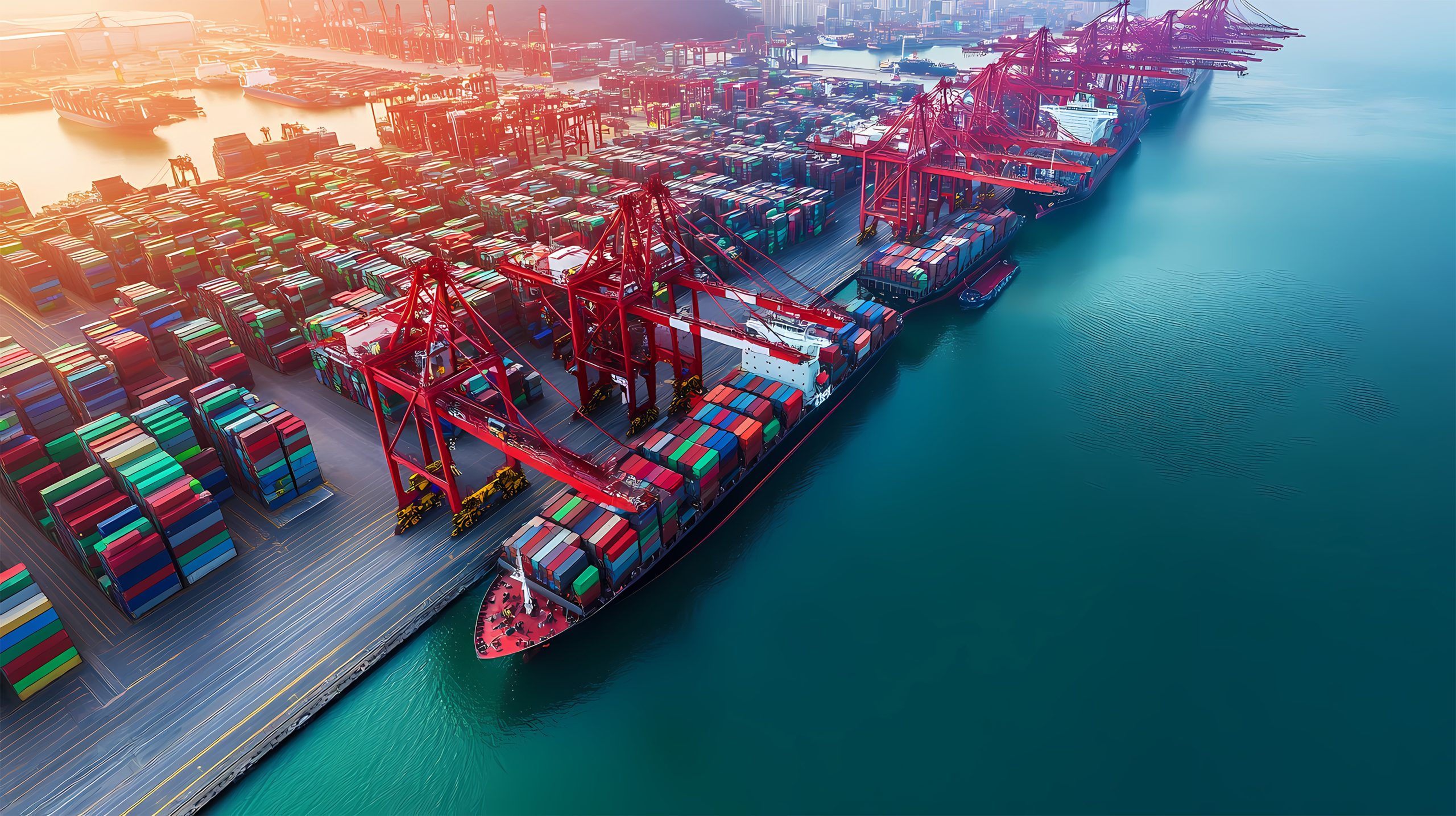
Tariffs can have a significant impact on food service distribution in a variety of ways. The effect depends on the specific products being imported, the countries involved, and how the tariffs are structured. Tariffs on food products, such as imported meats, seafood, fruits, vegetables, and spices, can raise the cost of these goods. Food service distributors may pass these increased costs onto restaurants and other foodservice businesses, which can lead to higher menu prices for consumers.
Tariffs can also disrupt the regular flow of goods, especially if there is a reliance on imports for particular food items. This can lead to shortages or delays, forcing food service distributors to source from different suppliers, often at higher prices. To mitigate the effect of tariffs, distributors may seek alternative suppliers from countries not subject to tariffs. This could involve switching to domestic suppliers or sourcing from other international markets.
As tariffs persist, food service distributors may reevaluate their entire supply chain strategy. They may start sourcing more locally produced food, which could support local agriculture but may also reduce the diversity of ingredients available for food service businesses.
Tariffs can lead to price volatility, especially if they are implemented or increased abruptly. This unpredictability makes it difficult for food service distributors to forecast costs and plan for the future, complicating purchasing decisions and negotiations with foodservice operators.
“Applying new tariffs at this scale will create change and disruption that restaurant operators will have to navigate to keep their restaurants open. The biggest concerns for restaurant operators—from community restaurants to national brands—are that tariffs will hike food and packaging costs and add uncertainty to managing availability, while pushing prices up for consumers.”